Blog
Stories from inside the agent.
How AI-native workspaces work, how agent memory lasts, how privacy survives when agents act, and how Kylon compares.

Why we built Kylon
Most AI tools are a tab you open alone. We wanted agents that join the room — that read the thread, follow the work, and ship.
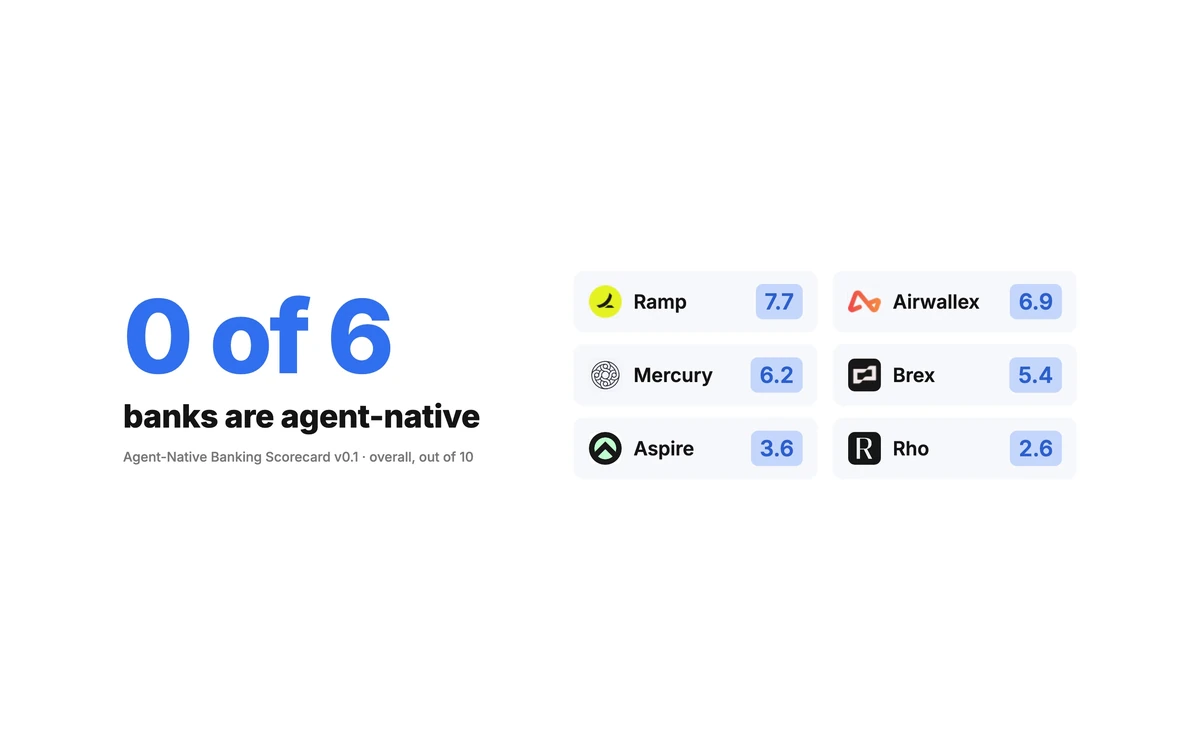
Agent-native banking is still a lie
We benchmarked 6 banks on whether an AI agent can actually run them. None of them are agent-native yet.
The AI-native tax
The hidden cost of putting AI to work, and who ends up paying it.

AI Agents Were Built for One Person. We Built Kylon for Teams.
The technical challenges behind building a business harness for people and agents to work together, and why a team can start without touching any of them.

Fold, don't forget
An agent is a long-term member of your team. The conversation never ends, but the context window never grows. Here's how we solved it: by folding history into a tree that can always be unfolded again.

A User Message Is More Than a User Message
When a user types a message in an AI-native workspace, the system sees far more than text. We unpack Kylon's activation architecture and show how a single message becomes a structured execution contract.

Why Privacy Is the Hardest Problem in AI Workspaces, and How Kylon Solves It
When AI agents operate with real agency inside a workspace, privacy becomes an architecture problem. This post walks through how Kylon keeps agents confined to authorized data, even under adversarial conditions.